

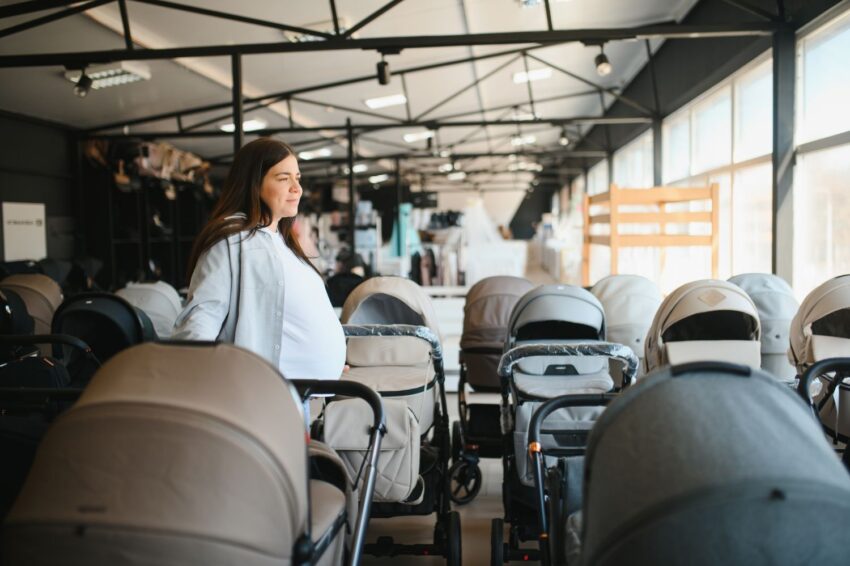
Selecting the right stroller for your baby can be a daunting task, given the myriad of options available on the market. A stroller is an essential item for parents, providing convenience, safety, and comfort for both the baby and the caregiver. This guide will help you navigate the various features, types, and considerations to ensure you choose the perfect stroller for your family’s needs.
1. Types of Strollers
A. Full-Size Strollers
Description: Full-size strollers are versatile and often come with a range of features, including adjustable seats, ample storage, and compatibility with car seats.
Pros:
- Comfortable for long walks or outings.
- Usually equipped with a variety of features for convenience.
Cons:
- Can be bulky and heavy, making them less portable.
B. Lightweight or Umbrella Strollers
Description: Lightweight strollers are designed for easy transport and quick use. They typically fold compactly and are ideal for parents on the go.
Pros:
- Portable and easy to maneuver.
- Often more affordable than full-size strollers.
Cons:
- May lack some features and storage space compared to full-size models.
C. Jogging Strollers
Description: Jogging strollers are designed for active parents who want to run or jog with their baby. They feature larger wheels and a sturdy frame for stability.
Pros:
- Excellent for outdoor activities and rough terrain.
- Often equipped with safety features like a hand brake.
Cons:
- Heavier and bulkier than traditional strollers.
- Not suitable for newborns without a car seat adapter.
D. Travel Systems
Description: A travel system includes a stroller and a compatible infant car seat that can be easily attached and detached.
Pros:
- Convenient for transitioning from car to stroller without disturbing the baby.
- Often offers good value for money as a complete package.
Cons:
- The stroller may be bulkier due to the car seat attachment feature.
E. Convertible Strollers
Description: Convertible strollers can adapt to different configurations, such as accommodating one or two children, making them suitable for growing families.
Pros:
- Versatile and can be used for multiple children.
- Often designed to grow with your child.
Cons:
- Can be more expensive and complex to operate.
2. Key Features to Consider
A. Safety Features
- Five-Point Harness: Ensure the stroller has a secure five-point harness system to keep your baby safe.
- Brakes: Look for strollers with reliable brakes that can be easily engaged and disengaged.
- Stability: Check the stroller’s design for stability, especially if it has a high center of gravity or large wheels.
B. Comfort and Convenience
- Adjustable Seat: An adjustable seat that reclines can provide comfort for napping babies.
- Canopy: A large canopy offers sun protection and helps shield your baby from the elements.
- Storage Space: Consider strollers with ample storage baskets for diapers, snacks, and other essentials.
C. Maneuverability
- Wheel Design: Larger, swivel wheels make it easier to navigate tight spaces and turn corners.
- Suspension System: A good suspension system can provide a smoother ride, especially on uneven surfaces.
D. Foldability and Portability
- Easy Folding Mechanism: Look for strollers that fold easily with one hand, making it convenient for parents on the go.
- Weight: Consider the weight of the stroller, especially if you’ll be lifting it in and out of the car frequently.
3. Lifestyle Considerations
A. Urban vs. Rural Living
If you live in an urban environment, a lightweight, compact stroller may be more suitable for navigating crowded sidewalks and public transportation. On the other hand, if you live in a rural area or enjoy outdoor activities, a jogging stroller or full-size stroller with all-terrain capabilities may be better suited to your lifestyle.
B. Family Size
Consider your family size and future plans. If you plan to have more children, a convertible stroller that accommodates multiple children may be a wise investment.
C. Frequency of Use
Think about how often you will use the stroller. If you plan to use it daily for walks or errands, investing in a high-quality, durable stroller with the features you need will pay off in the long run.
4. Budget Considerations
A. Set a Budget
Determine how much you are willing to spend on a stroller. Prices can vary significantly based on brand, features, and materials.
B. Evaluate Value
While it may be tempting to choose the cheapest option, consider the value of investing in a higher-quality stroller that meets your needs and lasts longer. Look for sales or discounts, and consider purchasing from reputable brands known for their quality and durability.
5. Testing Before You Buy
A. In-Store Testing
If possible, test out strollers in-store. Push them around, check the folding mechanism, and see how comfortable they are to maneuver. Pay attention to features such as the harness system and seat adjustments.
B. Online Reviews
Read reviews from other parents to gain insights into their experiences with specific strollers. Look for feedback on durability, ease of use, and overall satisfaction.
Conclusion
Choosing the perfect baby stroller involves careful consideration of various factors, including type, features, lifestyle needs, and budget. By understanding your requirements and testing options, you can find a stroller that enhances your daily routine and provides comfort and safety for your child. Investing in the right stroller not only makes outings easier but also contributes to a more enjoyable parenting experience. With the right preparation and research, you can confidently select a stroller that meets your family’s needs and complements your lifestyle. Happy shopping!